

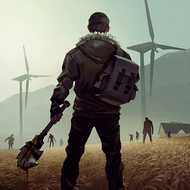
Survive the unforgiving Wasteland in Last Day on Earth: Survival, the definitive isometric zombie RPG developed by Kefir!. Quickly access the latest Last Day on Earth: Survival apk to master this intense pseudo-MMO experience today. Craft essential tools, assemble your Chopper to explore remote zones, and utilize the strategic Wall Trick to conquer Bunker Alfa efficiently. Trusted by gamers worldwide, visit APK Games Tech now for a secure, high-speed download that ensures you stay ahead of the horde.
Screenshot Gallery
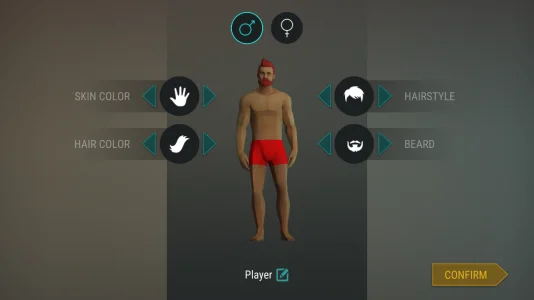
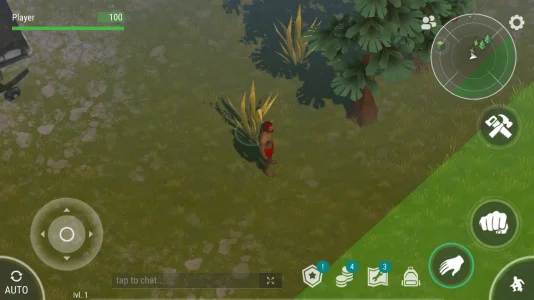
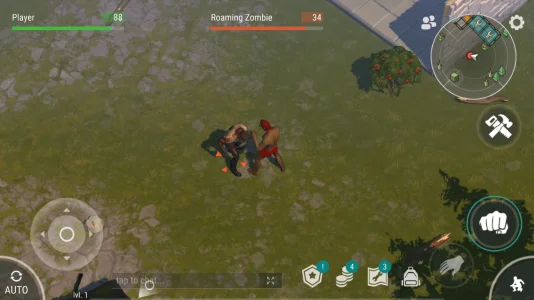
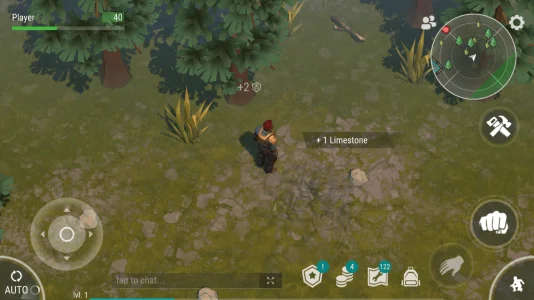
Last Day on Earth: Survival Overview
The Isometric Survival Experience Defined
Last Day on Earth: Survival, developed by the studio Kefir!, establishes the benchmark for the isometric survival genre on mobile platforms. Since its beta launch in 2017, this title has captivated players by blending resource management with high-stakes combat. The core identity of the Last Day on Earth: Survival apk rests on a "pseudo-MMO" architecture. While the game presents a world populated by other survivors, the primary "Wasteland" experience is predominantly single-player, interacting with AI-controlled shadows of other users. True real-time multiplayer is strictly segregated into a distinct mode known as "The Crater" (formerly Sector 7).
The game’s enduring popularity is driven by a psychological hook described as "soft permadeath." Unlike traditional roguelikes where death resets all progress, dying in a resource zone here results in the permanent loss of carried inventory, yet the player’s base remains a persistent safe harbor. This duality creates a loop where players must risk their best gear to secure the resources needed to upgrade their home, driving the demand for the application as a live-service staple.
Gameplay Mechanics and the Grind Loop
The gameplay loop functions as a rigid tier system defined by vehicle acquisition and environmental hazards. Players begin by stabilizing basic needs like hunger and thirst before engaging in the "Alfa Cycle," a routine of clearing Bunker Alfa to obtain firearms via ration coupons. The mechanics are optimized for touchscreens, though many veterans utilize PC emulation to leverage keyboard mapping for precise movement.
The game is bifurcated into two specific worlds:
- The Wasteland (Campaign): This is the primary single-player mode where 90% of progression occurs. Objectives include building a base, assembling vehicles like the Chopper and ATV, and exploring dungeons like the Police Department and Genesis Laboratory.
- The Crater (Multiplayer): A server-side mode requiring a separate character. Here, players join Clans, operate businesses, and engage in co-op boss raids using a unique currency called Crater Coins.
While the game is technically Last Day on Earth: Survival free to play, the meta is defined by scarcity. To succeed without spending money, players must master the Wall Trick. This critical physics exploit involves baiting an enemy's attack animation at a corner, stepping out to strike during their cooldown, and retreating. Mastery of this technique allows players to clear difficult zones using only cheap melee weapons, saving precious firearms for bosses.
Visuals, Audio, and Atmospheric Tension
The game utilizes a gritty, realistic art style that emphasizes the desolation of a post-apocalyptic world. The visual engine distinguishes between various biomes, from the standard Limestone Cliffs to the resource-rich Oak and Winter zones in the north. The atmosphere is heavily reliant on audio cues to signal danger.
One of the most defining atmospheric elements involves The Big One, a virtually invincible boss zombie found in high-danger zones. His arrival is heralded by a distinct roar and screen shaking, signaling the player to flee immediately or face certain death. In endgame locations like Bunker Bravo, the environment itself becomes an enemy, utilizing radiation mechanics that degrade maximum health over time, forcing players to rely on high-DPS Genesis Weapons and tactical armor.
Progression and the Blueprint Meta
Progression in Last Day on Earth is measured not just by character level, but by the permanent unlocking of weapon modifications. The "Blueprint" system ensures that once a modification—such as a Red Dot Sight for the Glock 17—is finalized, it can be applied to every future version of that weapon found. This creates a sense of permanent account growth that transcends individual deaths.
The mid-to-late game meta revolves around the Recycler workstation. Advanced players utilize "Recycler Logic," deliberately processing low-durability guns to level up their recycling skill. This eventually enables the extraction of rare components like Carbon Composites and Factory Parts from full-durability weapons, which are essential for finalizing the ATV and accessing the Swamp zones. Recent updates have also introduced the Settlement, a secondary base where players manage Mercenaries like Connor and Karma to run expeditions for passive resource generation.
Economy, Monetization, and Modding
The in-game economy is multi-tiered, utilizing Coins for timers, Rations for auto-clearing zones, and Caps for gambling at the Gas Station. However, the strict energy system and low drop rates for items like the ATV Transmission create significant friction. This scarcity often drives users to search for a modified version of the game.
The Last Day on Earth: Survival mod community has developed specific features to bypass these grind walls. The most prominent is the Magic Split feature, which inverts inventory logic to duplicate items instead of dividing them. Other common modifications include Free Craft, which removes material checks, and Durability Mods that prevent weapons from breaking. However, players should be aware that these features carry high risks, including "save bricking" if unreleased items are crafted, or account bans due to server-side validation in multiplayer zones.
For those seeking the legitimate experience, the standard Last Day on Earth: Survival download ensures account safety and access to cloud saves via Google Play. While the "F2P vs P2W" tension exists, particularly regarding the Season Pass, the game's massive content library offers years of gameplay for those willing to grind efficiently using legitimate strategies like the Wall Trick and Bunker cycling.
Core Mechanics & Controls
Upon completing the Last Day on Earth: Survival download, players are thrust into a hostile isometric environment where precision and resource management are paramount. The control scheme is optimized for mobile touchscreens but requires distinct inputs for movement and combat interactions. The primary objective is perpetual survival: managing hunger and thirst meters while gathering materials to build a fortified base and crafting increasingly complex machinery.
The standard control interface utilizes a dual-thumb setup:
- Movement: The left thumb controls the virtual Joystick to navigate the character through zones. Slight tilts allow for walking (to avoid noise), while pushing fully engages a run.
- Combat & Interaction: The right thumb manages the "Action Cluster." The large skull icon is the Attack Button. Surrounding this are smaller utility buttons: Crouch/Sneak (essential for stealth attacks), Interact/Gather (represented by a hand icon), and the Auto button (which automates resource gathering in clear zones).
- Active Skills: Advanced weapons like the Shotgun or Cleaver may unlock a secondary Active Skill button near the attack cluster when modified.
For players seeking higher precision, particularly for advanced techniques like the "Wall Trick," utilizing PC emulators like BlueStacks is common. These platforms allow keymapping WASD to the Joystick and the Spacebar to the Attack Button, offering the tactile feedback necessary for high-level play.
Deep Dive: Game Modes
Last Day on Earth: Survival is uniquely bifurcated into two distinct experiences that function almost as separate games within the same application. Understanding this split is critical for progression.
The Wasteland (Single Player Campaign)
This is the core experience where 90% of gameplay occurs. It features an asynchronous multiplayer environment where you may raid the bases of other survivors, but these are AI-controlled copies, not real-time players. Your inventory here is persistent and local.
The gameplay loop in the Wasteland revolves around the "Alfa Cycle." Players must routinely clear Bunker Alfa to obtain red, yellow, and green tickets. These tickets are exchanged at lobby terminals for military-grade firearms and armor. Without mastering this loop, a Last Day on Earth: Survival free player will struggle to maintain enough weaponry for harder content like the Police Department or The Farm.
The Crater (Multiplayer)
Formerly known as Sector 7, The Crater offers true MMORPG elements. Accessing this mode requires a separate character creation. Crucially, items and armor cannot be transferred between the Wasteland and The Crater. Here, the objective shifts to clan-based cooperation, operating storefronts to earn Crater Coins, and engaging in real-time co-op boss raids. Because this mode relies heavily on server-side validation, standard exploits often fail here.
Progression System & Upgrades
Progression in Last Day on Earth: Survival is defined by a rigid tier system gated by vehicle assembly. New zones are physically inaccessible until specific vehicles are finalized.
- Tier 1 (Survival): Focuses on basic resource gathering in Green (Pine Bushes) and Yellow (Limestone Cliffs) zones. The goal is to build a basic 1x1 room and craft a Backpack.
- Tier 2 (The Chopper): The motorcycle is the mid-game gatekeeper. You must farm Bunker Alfa for engine parts and the gas tank. Once assembled, the Chopper allows travel to Northern Watchtowers to harvest Oak.
- Tier 3 (The Boat & ATV): The late game involves assembling the Boat to reach titanium sources and the ATV (All-Terrain Vehicle) to traverse the Swamp. The ATV requires the ATV Transmission, a notoriously rare drop from Bunker Bravo or the "Slot Machine" at the Gas Station.
To navigate this economy efficiently, players must understand the currency system. Below is a breakdown of the primary resources and their optimal usage:
| Currency / Resource | Primary Acquisition Source | Best Strategic Use |
|---|---|---|
| Coins | In-App Purchase, Season Pass Rewards | Resetting skills or refilling energy during time-limited events. Avoid spending on speed-ups. |
| Rations | Healer Ads, Events, Shop | "Auto-clearing" tedious resource zones like Pine Wood for instant loot without degrading weapon durability. |
| Caps | Specialized Zombies, Season Pass | Gambling at the Gas Station Slot Machine for high-tier loot like the ATV Transmission. |
| Bonds | Expeditions, Daily Loot | Hiring and upgrading Mercenaries in the Settlement to passively generate resources. |
| Combat Coupons | Bunker Alfa drops | Exchanging for Ration Crates (Guns/Armor). This is the primary source of firearms for F2P players. |
Advanced Strategy & Meta
The current meta is entirely defined by weapon stability and efficiency. Since firearms degrade rapidly, the most effective strategy is the "Wall Trick." This involves luring a melee-locked enemy, such as a Frenzied Giant, to a doorway. By waiting for the zombie to hit the wall, the player can step out, strike with a melee weapon like a Crowbar or Pipe, and retreat before the enemy's attack cooldown resets. This allows players to clear difficult dungeons using only cheap materials, saving guns for bosses.
Weapon Synergies & Modifications:
Modifying weapons at the Gunsmith Bench provides permanent upgrades. The community has solved the "Best in Slot" (BiS) modifications for maximum efficiency:
- Glock 17: Equip the Red Dot Sight (Common) for critical chance and the Silencer (Purple) for raiding.
- Shotgun: The Heavy Barrel (Purple) is essential as it unlocks the "Spread Shot" active skill, dealing massive Area of Effect (AOE) damage useful in Bunker Bravo.
- Cleaver: With the Tactical Butcher Knife mod, this cheap weapon becomes a high-DPS machine capable of clearing Bunker Alfa quickly.
While the standard game relies on this grind, some players turn to a Last Day on Earth: Survival mod to bypass resource scarcity. These modified versions often introduce features like "Magic Split," which duplicates items instead of dividing them, or "Free Craft," allowing construction without resources. However, utilizing a Last Day on Earth: Survival mod carries a high risk of account bans, particularly if modified items are detected in multiplayer zones like The Crater.
Essential Tips & Tricks
For players sticking to the legitimate Last Day on Earth: Survival apk, efficient play is the only way to progress. Follow these guidelines to maximize your survival odds:
- Master the Wall Trick: Practice this in Bunker Alfa Floor 2. It is the single most important skill to learn to save firearms.
- Recycler Logic: Never throw away low-durability guns. Place them in the Recycler to level up your Firearms skill. Eventually, this will yield Carbon Composites and Factory Parts.
- Avoid The Big One: If the screen shakes and you hear a roar in a resource zone, flee immediately. The Big One is an invincible boss designed to force you off the map; fighting him is a waste of resources.
- Tactical Suicide: In the Wasteland, your base is a safe spawn point. If you are low on health and hunger at your base, store your items in a chest and run into your spike traps. You will respawn with full health, hunger, and thirst, saving your food and medkits for dungeons.
- Secure Your Data: Always ensure your game is connected to Google Play Games or Game Center. If you are manually updating the Last Day on Earth: Survival apk, back up your save data to avoid corruption during version transfers.
- Energy Management: Watch ads to restore energy only when a time-sensitive event (like a Plane Crash or Airdrop) appears. Do not waste ad-watches on standard travel.
Q&A
What is the Wall Trick strategy?
It is a critical exploit where players use walls to block enemy attacks and strike during cooldowns, saving firearms for harder content.
Is Last Day on Earth an offline game?
No, the game requires a persistent internet connection to sync actions with the server and has no true offline mode.
What is the Magic Split feature found in mods?
This feature reverses inventory logic to duplicate item stacks instead of dividing them, allowing for infinite resource generation.
How do I obtain the ATV Transmission?
The most reliable source is the Premium Season Pass, as drop rates in Bunker Bravo and the Gas Station Slot Machine are extremely low.
Can I use mods in The Crater multiplayer mode?
Generally no, as multiplayer logic is server-side, meaning cheats like God Mode often fail or result in immediate bans.
Where can I find the Chopper Gas Tank?
It is found in Bunker Alfa Red Coupon Crates, The Farm's Blue Chest, or as a survivor reward.
What is the purpose of Bunker Alfa?
It serves as the primary early-to-mid-game loop for farming firearms and tactical armor by exchanging coupons for ration crates.
Is it possible to kill The Big One?
While mathematically possible with high-end gear, he has massive health and armor, making him effectively unkillable and a signal to flee the zone.
What are Genesis Weapons used for?
Weapons like the Neutralizer are required for the Genesis Laboratory Hard Mode because they bypass the armor reduction of specific enemies.
How do I access the Transport Hub?
You must progress through the Survivor's Path questline to unlock this location, which features drone mechanics and boss fights.
Can I craft unreleased items like the Helicopter with mods?
Crafting unreleased items via "Free Craft" mods is dangerous and can permanently corrupt or "brick" your save file.
What are Caps used for?
Caps are a currency used exclusively at the Gas Station's Slot Machine to gamble for high-tier loot and skins.
Does the Clear Data trick still work?
It is still used for rerolling gambling outcomes, but Kefir has patched it for preventing deaths by increasing server sync frequency.
What are the minimum system requirements?
The game requires at least Android 7.0 and 2GB of RAM, though 4GB is recommended to avoid crashing in the Settlement.
Are weapon blueprints permanent?
Yes, once a modification is unlocked, it is permanently available to be applied to all future weapons of that type.