
Download Clockmaker MOD Latest Version
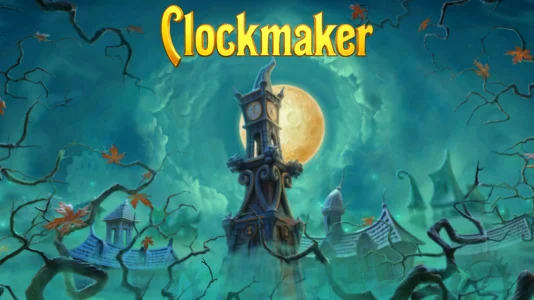
Clockmaker is a casual Match-3 adventure and puzzle game developed by BELKA GAMES. The game’s core concept requires players to complete Match-3 puzzles to earn resources for renovating buildings in a cursed town. This progression advances the central narrative quest, where the player assists a character named “Uncle” to find and stop the treacherous Clockmaker, thereby lifting the curse. The gameplay blends classic Puzzle-solving with a town-building meta-game.
Gameplay Gallery
Game Details
An Analytical Overview of Clockmaker: Match-3 Adventure
Clockmaker, officially titled Clockmaker: Match 3 Games, represents a significant entry in the puzzle and casual adventure genre. The title is developed by BELKA GAMES, a company known for creating games with high engagement and long-term user retention. The legal publishing entity associated with the developer is Samfinaco LLC. This comprehensive analysis provides a detailed technical and operational review of the game, focusing on its core mechanics, platform specifications, and progression systems for users considering the installation of its Android Package Kit (APK). The game is primarily categorized as a Match-3 puzzle experience, but it integrates a deep narrative framework featuring adventure, science fiction, and brain-teaser elements. This hybrid design is central to its appeal. The game’s development under BELKA GAMES ensures a polished user experience, which is reflected in its global success, having surpassed 40 million downloads. Its multi-platform architecture supports play across Android, iOS, and PC, with progress synchronization capabilities that allow for a continuous gameplay experience across different devices through account linking.Core Gameplay Systems and Mechanics
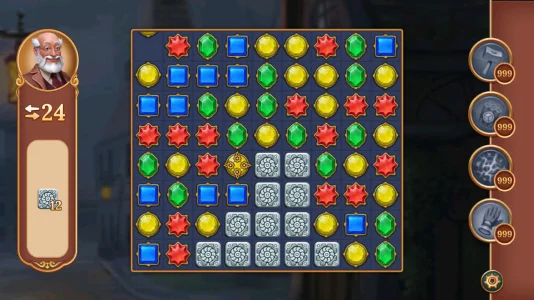
The fundamental gameplay of Clockmaker is built upon the classical Match-3 (3-in-a-row) puzzle formula. Players interact with a game board by swiping adjacent gems and jewels to form chains of three or more identical pieces, which then clear from the board. This core loop is enhanced with strategic depth through specific level objectives and limitations.The Match-3 Loop and Objective-Based Design
Each level in Clockmaker presents a unique puzzle board with a specific objective that must be completed within a finite number of moves. This design choice elevates the gameplay from a simple matching exercise to a strategic challenge, where players must plan their moves to achieve goals such as clearing obstacles or collecting specific artifacts. Failure to complete the objective within the move limit results in the loss of a "Life," the game's primary energy resource. This resource gate is a core component of the game's economic model, encouraging either strategic play, patience for energy regeneration, or the use of premium currency to continue.Special Pieces, Boosters, and Strategic Aids
Sustained progression through the game’s thousands of levels requires more than basic matching skills. The strategic creation and use of special pieces and power-ups are mandatory for success on more complex boards. The game's mechanics facilitate the creation of these powerful tools through specific player actions.- Special Pieces: Matching four or more jewels simultaneously generates powerful special pieces on the board. These pieces, such as line-clearing rockets or area-clearing bombs, are essential for completing level objectives efficiently, especially when dealing with dense clusters of obstacles.
- Boosters: These are pre-level aids that players can select to gain an initial advantage, such as starting a level with a special piece already on the board.
- Helpers: These are in-game tools that can be activated mid-level to perform specific actions, such as clearing a single difficult piece or adding extra moves to prevent a loss.
Game Modes and Progression Structure
Clockmaker’s longevity and high retention are driven by a multifaceted structure that combines a primary narrative campaign with a robust system of competitive and cooperative game modes. This hybrid model ensures a varied experience that caters to different player motivations.Narrative Campaign and Renovation Meta-Game
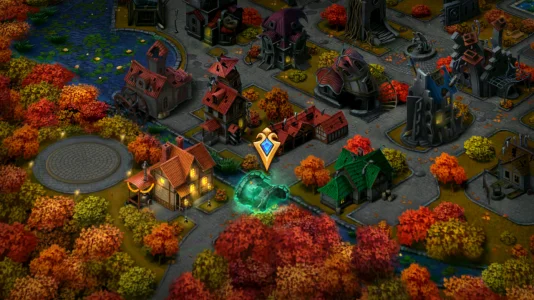
The central progression path is a story-driven quest where the player assists a character known as "Uncle" to find and stop the villainous Clockmaker who has cursed the town of Clocksville. Players advance this narrative by completing Match-3 puzzles, which reward them with coins and specialized items. These resources are then used in a meta-game focused on renovating and repairing cursed buildings throughout Clocksville and its adjacent regions, such as Darkchester. Each renovation advances the story, unlocks new areas of the game world, and can provide permanent buffs, creating a satisfying and continuous loop between the puzzle gameplay and the overarching adventure.Competitive and Social Live Operations
To supplement the main campaign, BELKA GAMES employs a dynamic system of live operations that introduce time-limited and social content. These modes include unique weekly events with distinct mechanics, such as bingo mini-games or cultivating magical plants, which provide exclusive rewards. Players can also engage in competitive tournaments against others for prizes. A key social feature is the Guild system, which allows players to form groups and collaborate on common goals. Guild participation is a significant progression accelerator, as it provides access to exclusive rewards like "guild coins" that can be exchanged for valuable resources.Flexible Offline and Online Architecture
A notable technical feature of Clockmaker is its dual connectivity architecture. The core Match-3 gameplay, level progression, and story advancement are fully functional offline, requiring no internet connection. This makes the game highly accessible for users in various situations, such as commuting. However, higher-value social and competitive features are restricted to online play. An active internet connection is mandatory for participating in tournaments, utilizing guild features, synchronizing progress via cloud saves, and claiming server-side bonuses and event rewards. This design effectively encourages dedicated players to remain connected to the game's ecosystem.Technical Requirements and Installation Guide for Android APK
Clockmaker is designed for high accessibility on the Android platform, with technical requirements that accommodate a wide range of devices. However, users installing via an APK file must be aware of the game's data structure and installation prerequisites.Android System Specifications
The game requires a minimum operating system of Android 4.4 (KitKat), ensuring compatibility with most devices released over the past decade. The initial APK file size is relatively small, reported at approximately 147.05 MB. This small initial download, however, is misleading. Contextual data from the PC version, which requires up to 10 GB of storage, confirms that the base APK acts as a launcher that necessitates a significant post-installation download of additional assets, often contained within an OBB (Opaque Binary Blob) file. Users should therefore ensure they have at least 1 GB of free internal storage to accommodate the full game data.Manual Installation Procedure
For a successful manual installation of the Clockmaker APK and its associated data, users must follow a specific procedure. First, the device's security settings must be configured to allow installation from "Unknown sources." After downloading both the APK and the OBB file, the user should first install the APK but not launch it. The OBB file must then be manually placed into the correct directory path:Internal Storage/Android/obb/com.belkatechnologies.clockmaker/. If this folder does not exist, it must be created with the exact package name. Once the OBB file is correctly positioned, the game can be launched. Failure to place the OBB data correctly will typically result in a black screen or loading error, as the application cannot access its core assets.
Monetization and Player Experience
Clockmaker utilizes a classic Freemium monetization model, making the game free to download and play while generating revenue through optional in-app purchases (IAPs). The economic design is centered on time gates and convenience purchases. The primary gate is the "Lives" system, which limits the number of consecutive level attempts. Players can either wait for this energy to regenerate over time or purchase refills using Rubies, the game's premium currency. Rubies are also used to acquire powerful boosters or to purchase extra moves to salvage a failed level attempt. The IAP structure is broad, with prices ranging from $0.29 to $199.99, catering to various spending levels. In addition to direct purchases, the game integrates optional Rewarded Video Ads (RVAs). While some marketing claims suggest an ad-free experience, RVAs are a crucial part of the F2P economy. Players are frequently given the option to watch a short ad after completing a level to multiply the resources they receive. Engaging with these ads is a highly efficient strategy for F2P players, as it significantly accelerates the collection of items required for the town renovation meta-game, thereby reducing grind.Clockmaker is a casual adventure game that integrates a deep narrative quest with a robust Match-3 puzzle framework. Players engage in a central mission to assist a character named Uncle in locating and stopping a treacherous Clockmaker. This overarching objective requires players to lift a curse from the town of Clocksville by solving thousands of puzzles and renovating its structures. The game combines a science fiction theme with brain teasers, creating a distinct experience within the puzzle genre.
Core Gameplay Mechanics and Objectives
The Match-3 Puzzle Framework
The fundamental gameplay loop of Clockmaker involves classic Match-3 mechanics. Players interact with a game board filled with gems, jewels, and crystals. The primary action requires players to swipe adjacent pieces to form lines of three or more identical items. These successful matches remove the pieces from the board, allowing new ones to fall into place. Each level presents a unique set of objectives, such as clearing specific obstacles or collecting designated artifacts. A significant challenge is the strict limit on the number of moves available per level. Failure to complete the objectives within this move count results in the loss of one Life, the game’s energy resource. This system places a strong emphasis on strategic planning over rapid, thoughtless matching.
Special Pieces and Power-Ups
Player success in Clockmaker often depends on the creation and strategic use of powerful items. Players generate special power-up pieces by matching four or more gems simultaneously. These special pieces, such as line-clearing rockets or area-clearing bombs, produce significant board-clearing effects essential for overcoming complex challenges efficiently. The game also provides players with pre-level boosters and mid-level helpers. These consumable items offer potent advantages, such as adding extra moves or instantly clearing difficult board elements. Mastery of the game requires players to understand how to generate these special pieces and when to deploy their finite boosters and helpers, transforming gameplay from simple matching into a complex resource management challenge.
Player Progression and Game Modes
The Narrative Campaign and Renovation Loop
The main progression system in Clockmaker is a continuous cycle connecting puzzle-solving to a narrative meta-game. Players spend one Life to attempt a Match-3 level. Successful completion of a level rewards the player with soft currency (Coins) and randomized Building Items. These acquired resources are then used to repair and renovate structures within the cursed town of Clocksville and its surrounding areas, like Darkchester. Each renovation advances the central story, unlocks new segments of the game map, and can even grant permanent gameplay buffs, such as improved power-up durations. This renovation loop provides a tangible sense of progress and purpose beyond individual puzzle completion.
Dynamic Events and Competitive Play
Clockmaker maintains long-term player engagement through a robust schedule of live operations. The developer introduces unique events on a weekly and monthly basis. These events feature distinct mechanics, such as riding a ghost train or cultivating magical plants, and offer exclusive, time-limited rewards. For players seeking a competitive outlet, the game hosts unique tournaments. Participants in these tournaments compete against other players for prizes and recognition. A cooperative social layer exists through the Guild system. Players can join Guilds to collaborate on shared goals, earning valuable Guild Coins and other exclusive rewards that accelerate individual progression.
Online and Offline Functionality
The game’s architecture supports a flexible playstyle through its dual connectivity model. The core gameplay, including solving the thousands of Match-3 puzzles and advancing the main story, is fully functional in an offline environment. This feature makes the game an ideal option for players without a consistent internet connection. However, an online connection is mandatory for accessing the game’s social and competitive features. Players must be online to participate in tournaments, engage in Guild activities, synchronize progress across devices, and claim daily bonuses or event-based rewards that rely on server-side tracking.
Advanced Strategy and Resource Management
Optimizing Resource Expenditure
Efficient management of in-game resources is critical for sustained progression. The two primary resources players must manage are Lives and Rubies. Lives function as the energy system, regenerating automatically over time. Players can sustain long play sessions by taking advantage of the game’s free daily bonuses. Rubies represent the game’s premium currency and are considerably scarcer for free-to-play participants. Strategic players should reserve Rubies for their most impactful use: purchasing five extra moves. This action is most valuable when a difficult level is only one or two moves away from completion, as it maximizes the chance of success and bypasses the penalty of losing a Life.
Effective Booster and Item Utilization
Strategic deployment of items separates efficient players from those who struggle with difficult levels. The most effective approach involves reserving powerful boosters and helpers for the most challenging puzzles, especially after multiple failed attempts. Learning to create powerful combination effects is another key skill. Matching different types of special pieces together, such as a bomb and a rocket, unleashes a devastating board-clearing effect that is often necessary to overcome late-game obstacles. This strategic layer extends to the renovation meta-game, where thoughtful investment yields greater returns.
- Players should prioritize coin expenditure on building repairs that provide strategic utility, like increased power-up duration, before funding purely cosmetic upgrades.
- Players can dramatically accelerate the collection of randomized Building Items by choosing to view optional rewarded video advertisements after completing a level, which multiplies the resource haul.
- Consistent activity within a Guild provides a steady income of Guild Coins, which players can exchange for valuable boosters and extra lives.
- Regular participation in weekly and monthly events grants access to exclusive rewards and power-ups that are not available through the main story campaign.
Mastering the Path to Success
Early Game Priorities
New players can establish a strong foundation for future success by focusing on several key actions immediately after starting the game. The first priority should be to secure all gameplay progress. Players accomplish this by navigating to the settings menu and linking their game account through a Facebook login or by recording their unique Game ID. This cloud synchronization function is vital for restoring game data if the application is reinstalled or moved to a new device. Another crucial early-game step is to join a Guild as soon as the feature becomes available. Guild membership provides immediate access to shared resources, cooperative rewards, and a valuable stream of Guild Coins that significantly aids progression.
Long-Term Engagement Strategy
Long-term success in Clockmaker is a product of both puzzle-solving aptitude and disciplined resource management. Players who plan for the long term will view the frequent in-game events not as distractions but as primary opportunities to acquire powerful and exclusive items. Consistently engaging with this content ensures a steady supply of high-value boosters. Ultimately, the gameplay experience is designed around this blend of mechanics. Players must master the art of creating special pieces on the puzzle board, carefully manage their inventory of boosters and premium currency, and actively participate in the game’s social and event structures to effectively lift the curse of the Clockmaker and restore the town to its former glory.
FAQ
What type of game is Clockmaker?
It is a Puzzle Match-3 game with casual adventure elements, a science fiction theme, and a central quest narrative.
Who is the developer of Clockmaker?
The game is developed by BELKA GAMES.
Can I play Clockmaker offline?
Yes, the core Match-3 puzzles and story progression can be played entirely offline without an internet connection.
What features require an internet connection?
An internet connection is required for online tournaments, guild features, daily bonuses, and event rewards.
How is game progress saved?
Progress is saved via cloud synchronization by linking the game to a Facebook account or by recording the unique Game ID.
On which platforms can I play Clockmaker?
The game is available on Android and iOS devices, as well as on PC via the Microsoft Store and Google Play Games.
How often does the game receive updates?
The development team releases new updates, challenges, and events every month.
What is the main goal in Clockmaker?
The main objective is to solve Match-3 puzzles to renovate a cursed town and help "Uncle" find and stop the Clockmaker.
What happens if I run out of moves on a level?
Failing to complete a level's objectives before running out of moves results in the loss of one life.
Are there multiplayer modes?
Yes, there are indirect competitive modes like online tournaments and cooperative social modes through Guilds.
What are the minimum requirements for Android?
The game requires a device running Android 4.4 (KitKat) or higher.
Is Clockmaker free to play?
Yes, the game is free to play, but it offers in-app purchases to accelerate progress and bypass time gates.
Why do the advertisements show different puzzles?
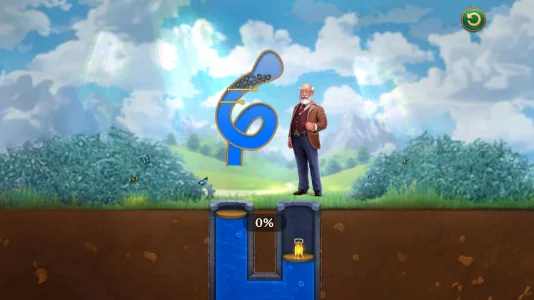
The promotional ads show different types of puzzles as a marketing strategy, but the core gameplay is exclusively Match-3.
What are Guilds for?
Guilds allow players to collaborate on common goals to earn exclusive rewards like guild coins, which helps accelerate progression.