
Download DEAD TRIGGER MOD Easy Install
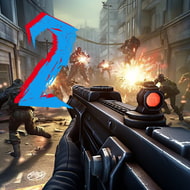
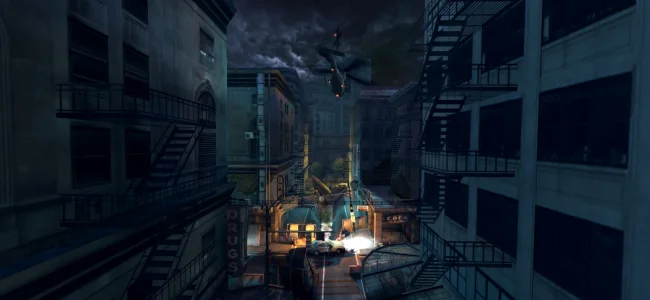
*DEAD TRIGGER 2* is a first-person shooter that combines survival horror and action role-playing game elements. Originally developed by Madfinger Games, the title is now managed by Deca_Games. Its core concept involves a gameplay loop where players complete missions within a zombie apocalypse to gather resources. These resources are then used in a central “Hideout” hub to craft and upgrade weapons and technology, which gates player progression through the main story campaign.
Preview Images
Game Details
An In-Depth Analysis of DEAD TRIGGER 2: The Definitive Zombie FPS Experience
This document presents a comprehensive analysis of DEAD TRIGGER 2, a landmark title in the mobile first-person shooter genre. An essential clarification must be made at the outset: DEAD TRIGGER 2 is a distinct video game from DEAD TARGET. While both feature a zombie apocalypse setting, DEAD TRIGGER 2, currently published by Deca_Games, is a free-movement shooter with deep RPG mechanics. In contrast, DEAD TARGET is a static, on-rails shooter from developer VNGGames Studios. This analysis focuses exclusively on DEAD TRIGGER 2, providing prospective players with the necessary context for its APK installation and gameplay systems.
Development Legacy and Game Identity
From Madfinger Games to Deca_Games
DEAD TRIGGER 2 possesses a unique development history that directly influences its current state. The title was originally developed and published by Madfinger Games, a Czech studio renowned for its high-fidelity mobile shooters like the Shadowgun series. Launched on October 23, 2013, for Android and iOS, DEAD TRIGGER 2 was a flagship project designed to deliver a "console-quality" graphical and gameplay experience on mobile platforms. The core story campaign, intricate crafting systems, and impressive visuals are all a legacy of Madfinger Games' original vision. Subsequently, the game's operational rights were acquired by Deca_Games. Deca_Games operates under a "legacy-as-a-service" model, specializing in the management and reinvigoration of aging titles. Consequently, its focus is on live operations, including monetization, weekly events, and technical maintenance, rather than the development of new narrative content. This transition explains why the game's main story campaign remains famously unfinished.
Genre and Platform Availability
DEAD TRIGGER 2 is a hybrid-genre game, blending several popular systems into a cohesive whole. Its core identity is that of a first-person shooter (FPS), governing all combat encounters. This is layered with a survival horror theme, set against the backdrop of a global zombie apocalypse. Finally, it incorporates deep action role-playing (RPG) elements, manifested through a complex character progression system, weapon crafting, and a central "Hideout" hub populated with non-player characters (NPCs) who provide essential services. The game is primarily available for the Android and iOS operating systems, with the Android APK version being the focus of this technical overview.
Core Gameplay Mechanics and Systems
The gameplay of DEAD TRIGGER 2 is structured around an addictive and cyclical loop that balances action-packed missions with strategic management and progression.
The Hideout: Your Central Hub
The Hideout serves as the player's primary non-combat area. It is here that all progression, crafting, and upgrades are managed. The hub is staffed by a team of specialist NPCs, each critical to the player's advancement:
- Gunsmith: This NPC is responsible for crafting new weapons from blueprints and upgrading the player's existing arsenal.
- Scientist: The Scientist researches technological improvements and develops new gadgets for the player to use in combat.
- Medic: The Medic provides essential healing items and facilitates upgrades to the player's core attributes, such as maximum health.
- Engineer: This character crafts a variety of tactical gadgets, including defensive turrets, explosive mines, and the famously quirky "lethal chickens."
- Smuggler: The Smuggler functions as a vendor, selling special items, temporary boosters, and in-game premium currency.
A crucial mechanic tied to the Hideout is the "Tech Level." This central progression metric is raised by upgrading these NPCs. Advancement in the main story and the ability to craft higher-tier weapons are gated by the player's current Tech Level, intentionally compelling engagement with the game's core upgrade loop.
Controls and Accessibility
A standout feature of DEAD TRIGGER 2 is its highly flexible control system, catering to a wide range of player preferences. The default scheme is a casual-friendly touch control system with auto-fire, where weapons discharge automatically when the crosshair is placed over an enemy. This allows new players to focus on movement and aiming. For veterans, an advanced manual-fire mode adds a dedicated fire button, offering complete control over every shot. Crucially, the game features full native gamepad support, allowing players to connect modern Bluetooth controllers (such as those for Xbox or PlayStation) for a more tactile and precise console-like experience.
Game Modes and Mission Structure
The game's content is divided across a global map, offering a variety of mission types that serve different purposes, from narrative progression to resource grinding.
Main Story Campaign
The primary narrative experience unfolds across a massive campaign with over 600 gameplay scenarios. The player joins the global resistance against the zombie plague, fighting through extensive campaigns set in distinct continental regions, including the USA, Africa, China, Europe, and South America. Progress through these campaigns is directly tied to the player's Tech Level, creating a structured path of mission play, Hideout upgrades, and further mission play.
Generic and Grinding Missions
Alongside the story, the world map is populated with repeatable, non-story missions. The main purpose of these missions is to allow the player to farm essential resources like in-game cash and weapon blueprints. Player strategies have identified specific mission types as being optimal for certain resources. "Seek and Destroy" missions are often recommended for farming blueprints, while "Showdown" missions are cited as the most efficient for farming money and points during special events.
Tournaments and Online Arenas
The primary online component of DEAD TRIGGER 2 is its weekly tournament system. These events take place in dedicated arena maps where players compete to achieve the highest score by surviving waves of zombies. This is an asynchronous competitive mode; players compete on a global leaderboard for rewards based on rank, not in a direct Player-vs-Player (PvP) environment. Participation in these tournaments requires a persistent internet connection.
Technical Requirements and Installation
Android System Specifications
It is critical for users downloading the APK to disregard outdated documentation. While early materials cited Android 4.0 and 512 MB of RAM as minimum requirements, this is no longer accurate. Due to ongoing updates from Deca_Games, support for older operating systems has been deprecated. Modern APK repositories list Android 8.1 or higher as the minimum required OS. For a smooth experience with the game's "console-quality" graphics, a device with at least 4 GB of RAM and a modern multi-core processor is recommended.
Offline Capabilities and Internet Requirements
A significant feature of DEAD TRIGGER 2 is its robust offline functionality. The entire single-player story campaign and all generic grinding missions are fully playable without an internet connection. An online connection is only mandatory for the initial installation and data download, participation in weekly tournaments, making in-app purchases, and utilizing the crucial cloud save feature to back up progress.
APK and OBB File Installation
For a successful manual installation, users must understand the game's file structure. The download package consists of two parts: the installer APK (~120 MB) and the OBB data file (~1 GB). A common error resulting in a black screen is the failure to place the OBB file correctly.
- Install the base APK file but do not launch the game yet.
- Using a file manager, locate the OBB data folder (e.g., `com.madfingergames.deadtrigger2`).
- Move this entire folder to the correct directory on your device's internal storage. The required path is: `Android/obb/`.
- Verify the final file path is `Android/obb/com.madfingergames.deadtrigger2/`, containing the main OBB file inside.
- You can now launch the game successfully.
Monetization Model and Player Strategy
DEAD TRIGGER 2 employs a "pay-for-convenience" monetization model rather than a "pay-to-win" one. The game is entirely completable without any expenditure, but the free-to-play experience is designed with two major friction points: "crazy long" real-time wait timers for crafting and upgrades, and frequent, intrusive advertisements. The in-app purchase store is designed to sell solutions to these annoyances. Veteran players advise that paid weapons are generally not superior to fully upgraded free weapons. For those willing to spend, the highest-value purchases are the one-time "no ad" bonus and the "Permanent Money Booster," which dramatically reduce the grind. It is highly recommended to only make these purchases during the game's frequent weekend sales for maximum value.
An Analytical Guide to DEAD TRIGGER 2 Gameplay and Systems
DEAD TRIGGER 2 offers a complex and engaging first-person shooter experience on mobile platforms. The game combines core FPS combat with deep Action RPG and Survival Horror elements. Players navigate a global zombie apocalypse, engaging in a cyclical gameplay loop of combat, resource acquisition, and character progression. This guide provides a detailed analysis of its mechanics, modes, and strategic layers, based on its design as a free-movement, console-quality title.
The Central Gameplay Loop: Combat and Management
The game structure revolves around a core cycle that balances action-filled missions with strategic management. A player selects a mission from a global map interface. The player then deploys into a fully three-dimensional level, exercising complete control over character movement. This free-movement system distinguishes the game from more static, on-rails shooters. Within missions, the player completes varied objectives, such as eliminating specific targets, defending locations, or collecting vital supplies.
Combat represents the primary gameplay interaction. Players fight hordes of zombies using an extensive arsenal of weapons. The arsenal includes pistols, rifles, shotguns, and powerful melee weapons like the Wrench and Chainsaw. Upon mission completion, the player returns to a central hub with earned resources like in-game cash and weapon blueprints. The player uses these resources to craft and upgrade equipment, which initiates real-time wait timers. While these upgrades complete, the player undertakes new missions, thereby repeating the gameplay loop.
The Hideout: A Hub for Progression
The Hideout serves as the player’s non-combat base of operations. This area contains a team of non-player characters (NPCs) who provide essential services and drive the game’s progression systems. Each NPC manages a specific upgrade path, and improving them is fundamental to advancing in the game.
Key Hideout Personnel and Functions
Five key NPCs populate the Hideout, each with a unique role in the player’s development. The Gunsmith crafts and upgrades all firearms and melee weapons. The Scientist researches technological advancements and produces gadgets. The Medic provides healing items and upgrades to the player’s base health. The Engineer crafts tactical gadgets, including defensive turrets, mines, and unique “lethal chickens.” Finally, the Smuggler functions as a vendor, selling special items and boosters.
Player progression is directly tied to the “Tech Level.” The Tech Level increases when the player spends in-game cash to upgrade these Hideout NPCs. This mechanic acts as a gate, preventing access to new story campaigns and higher-tier weapons until a sufficient Tech Level is achieved. This system compels players to engage deeply with the crafting and resource management loop to overcome progression walls.
Mission Structures and Game Modes
DEAD TRIGGER 2 divides its gameplay content across several distinct modes. These modes cater to different player objectives, from advancing the narrative to farming essential resources. Access to all modes occurs through a global map interface, which presents mission opportunities across various continents.
Main Story Campaign
The Main Story Campaign constitutes the primary narrative experience. This campaign unfolds across more than 600 gameplay scenarios set in global regions, including the USA, Africa, China, Europe, and South America. Progress through the campaign is linear but gated by the player’s Tech Level. Players must continuously upgrade their Hideout to unlock the next chapter of the story, ensuring a steady pace of character development alongside narrative advancement. The game’s main story, however, remains famously unfinished by its original developers.
Generic Missions for Resource Grinding
Generic missions are repeatable, non-story scenarios designed for resource acquisition. These missions allow players to farm the in-game cash, blueprints, and materials necessary for upgrades. Different mission types offer optimal returns for specific resources. “Showdown” missions are recommended for efficiently farming money. “Seek and Destroy” missions provide strategic opportunities for acquiring rare weapon blueprints.
Tournaments and Arena Competitions
Tournaments represent the game’s primary live service element. These weekly events place players in specialized Arena maps where they fight waves of zombies. The objective is to achieve a high score on a global leaderboard. This mode is an asynchronous competition; players do not interact directly but compete for rank-based rewards. Participation in Tournaments requires a persistent internet connection.
Combat Systems and Player Controls
The game is lauded for its fluid combat and highly customizable control schemes, which accommodate a wide range of player preferences and skill levels. These systems contribute significantly to its reputation as a console-quality mobile experience.
Control Schemes
DEAD TRIGGER 2 features multiple control options to ensure accessibility and precision.
- Default Auto-Fire: This Casual-friendly scheme automates shooting. A player’s weapon discharges automatically when the aiming crosshair passes over a zombie, allowing the player to concentrate on movement and aim.
- Advanced Manual-Fire: This traditional FPS control scheme adds a dedicated fire button to the user interface. It grants the player full control over every shot and is fully customizable.
- Native Gamepad Support: The game offers full native support for most modern Bluetooth controllers. This option provides a tactile and precise control experience analogous to playing on a dedicated gaming console.
Strategic Gameplay and Advanced Tips
Efficient progression in DEAD TRIGGER 2 requires strategic management of resources and time. Veteran players have developed specific tactics to minimize grind and accelerate development. A core principle is to keep the Gunsmith and Scientist perpetually active, queuing new upgrades before logging off to maximize efficiency against long wait timers.
- Optimize Farming Runs: Players should leverage specific mission types for targeted farming. For weapon blueprints, players can exploit “Seek and Destroy” missions by leaving one objective incomplete. This tactic allows for extended time in the level to eliminate special zombies that have a higher chance of dropping blueprints. For cash, repeatedly playing “Showdown” missions on Hard difficulty yields the best time-to-reward ratio.
- Manage Weapon Upgrades: A player should always keep their primary weapons upgraded to the maximum level allowed by their current Tech Level. Falling behind on weapon power makes subsequent missions significantly more difficult, and the long upgrade timers make it hard to catch up.
- Utilize In-Game Sales: The game’s monetization model is pay-for-convenience rather than pay-to-win, with craftable weapons being as effective as premium ones. For players who choose to spend money, the most valuable purchases are permanent boosters that increase money gain or remove advertisements. It is strategically sound to only make these purchases during the frequent and significant sales events offered in the in-game store.
By understanding these core systems—the gameplay loop, Hideout progression, mission types, and strategic farming—players can effectively navigate the zombie apocalypse. Mastery involves balancing aggressive combat during missions with patient, long-term planning back at the Hideout, creating a deep and rewarding shooter experience.
Common Questions
Does Dead Trigger 2 work offline?
Yes, the single-player campaign and generic missions are fully playable offline, but an internet connection is needed for the initial setup and online features.
Is there a multiplayer mode?
No, Dead Trigger 2 is a single-player game, but it features asynchronous Tournaments where players compete for high scores on a leaderboard.
Who is the current developer of Dead Trigger 2?
The game was originally created by Madfinger Games but is now managed by Deca_Games, which handles live operations and monetization.
Is the game's story finished?
No, the main story campaign was never completed by the original developers and remains unfinished.
Does Dead Trigger 2 have controller support?
Yes, the game has excellent native support for most Bluetooth gamepads, including Xbox and PlayStation controllers.
What's the difference between Dead Trigger 2 and DEAD TARGET?
They are two separate games; Dead Trigger 2 is a free-movement FPS with crafting, while DEAD TARGET is a static, on-rails shooter.
Is this game pay-to-win?
No, it operates on a "pay-for-convenience" model where purchases are mainly for skipping long wait timers and removing ads.
What is the fastest way to earn in-game money?
Play on "Hard" difficulty for a cash bonus and repeatedly complete "Showdown" missions, which offer a high rate of return.
What is the best way to get weapon blueprints?
Farm "Seek and Destroy" missions by leaving one objective incomplete to continuously kill special zombies that have a chance to drop blueprints.
What is the "Tech Level" and how do I raise it?
Tech Level is the main progression gate, which you raise by upgrading your Hideout NPCs with in-game cash to unlock new weapons and regions.
What happens to my progress if I uninstall the game?
You will lose all your progress unless you have manually backed it up using the in-game cloud save feature.
Is the game still receiving new content updates?
No, the game is in "maintenance mode" and is not updated with new story content, only receiving fixes and items for weekly events.
What is the most common installation error?
A black screen on launch is the most common error, which means the game's OBB data file is missing or in the wrong directory.